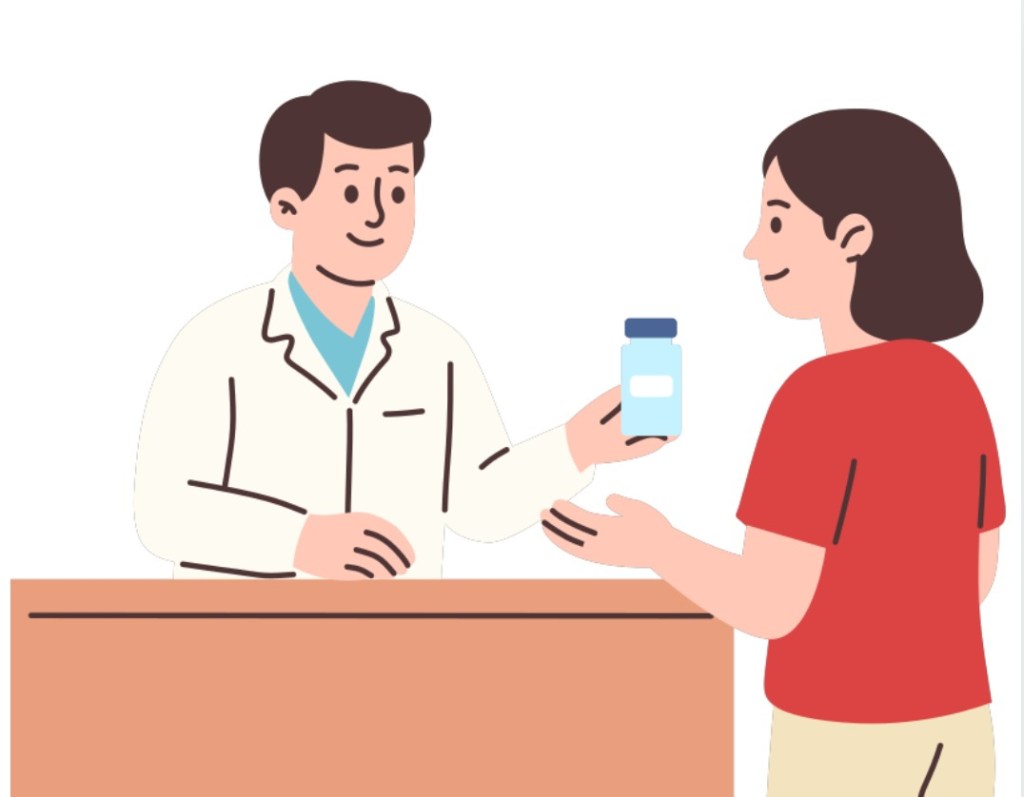
In recent years, a debate has arisen in medicine: whether doctors should keep an emotional distance to “avoid getting attached”, or whether they should view patients as people and not diagnoses. It is unsurprising that one would want to receive empathy and understanding from their caregiver in a time of distress—yet some healthcare professionals struggle to do this. This is not to say that the scientific aspects or emotional boundaries are unimportant, but rather to emphasize how essential humanity is in healthcare, and the consequences of its absence.
Our Experiences with Humanity in Medicine
Adhya
There was one particular instance that led to me reflecting deeply on this topic. I remember heading to the dentist’s office for my monthly cleaning, something I already was not quite fond of. My dentist, without warning, yanked out a baby tooth that had been loose for a while. Under normal circumstances, I may have not minded, but it was her reaction that stayed with me. A young kid at the time, maybe a little over eight or nine years old, I had started complaining, to which she, more or less, told me to keep quiet and get over it. While my memory may now carry some bias, the moment left a lasting impression. I began to wonder—how important is it to have empathy and compassion for your patients? After all, my dentist had gone through medical school, earned her degree, and had helped my family for years. Was compassion of such great importance that it could overshadow all of that?
Kaavya
I also had one specific moment where I truly realized how greatly significant humanity in medicine truly is. I remember sitting in the hospital room, the steady beeping of the monitor filling the silence. My family was overwhelmed with worry as my brother lay on the hospital bed, his face paler than my white sweatshirt. A nurse had walked in calmly, taking his temperature and monitoring his abnormal heartbeat. Seeing my brother’s weak face, she handed him a small teddy bear with a short get-well-soon message inscribed on the card. It was the first time I had seen my brother smile since he was admitted, gathering all his strength to say thank you. Her empathy and compassion towards caring for patients in ways she was not paid to do made my brother’s hospital visit significantly easier. From her small daily gifts to her kind words to him as he slowly got better, she was a nurse our family will always appreciate. At that moment, it dawned on me that medical professionals should not only have the degree, but the heart to care for patients.
How You Can Make an Impact Without a Degree
Now that we have explored the importance of humanity in medicine, how can those without a degree make an impact in healthcare? Individuals outside of the profession still have a large potential to drive change. It is crucial the next generation not only has passion for medicine, but the humanity to excel in it.
We can make a difference by spreading awareness and education in our area, supporting patients, and engaging in community-based action. You do not need a degree to teach life-saving skills, such as hosting a workshop on how to respond to severe bleeding. You do not need a degree to bring comfort to a patient through small homemade kits that bring smiles to their faces. You do not need a degree to organize health drives or connect people to resources they would not otherwise be able to get ahold of. Before any of us can become doctors, we need to understand that our patients are people rather than charts. Ultimately, improving healthcare is not just about professional titles; it is about empathy, access, and the willingness to advocate for better care for all.
Conclusion
Altogether, this belief is the foundation of YouthCare Connect and our reason for founding it. People of all ages and professions can make a difference in the medical field, regardless of their understanding of the science behind it. A small act of kindness or empathy from a healthcare professional can make all the difference in someone’s life, which is precisely what YouthCare Connect aims to promote. Practicing medicine is more than just treating illnesses—it is showing up for patients in every way possible.


 YouthCare Connect
Leave a reply to Ella Cancel reply