 YouthCare Connect
Food & Environment
Microplastics and Nanoplastics: An Invisible Danger in Our Daily Lives
By Tony Chavez, YouthCare Connect, 10/3/2026
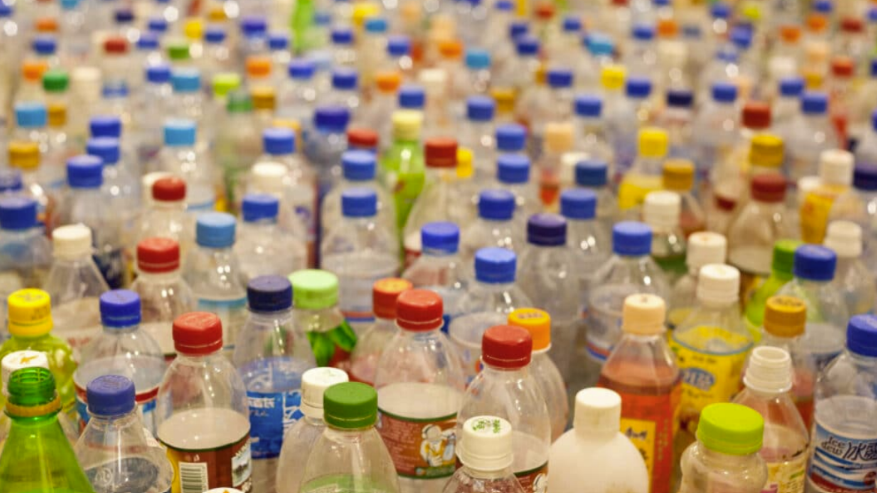
Plastic and other synthetic polymers first made their appearance in the late 19th century, and since then, have blossomed into one of the most instrumental and commonly used materials in the entire world. From food packaging to machine parts to bubble gum, the influence of plastic on everyday life is undeniable. But what are the health ramifications when the exact same plastic we use to better our lives becomes seemingly ingrained into the environment and even our own bodies?
From Mount Everest to the Mariana Trench, tiny plastic pieces pollute our entire planet. These invisible fragments now fill our lakes, rivers, oceans, and even our own bodies. And while most people are familiar with that concept, environmentalists and health experts across the globe warn that the true scope of damage remains severely underestimated. For example, people often use the terms microplastic and nanoplastic interchangeably, even though they refer to distinct, separate sizes of particles. Microplastics measure from 5 millimeters down to 1 micrometer, while nanoplastics are dangerously smaller, measuring anything under 1 micrometer (down to 1 nanometer). In light of this, medical professionals warn that nanoplastics represent a larger health risk because they can more easily pass through human biological barriers, such as the gut and blood-brain barrier (UNEP, 2025). Understanding this size difference is therefore crucial for assessing how plastic pollution impacts our bodies.
Microplastics and nanoplastics can be formed in two notable ways, yet more people are familiar with the secondary method of their creation–accidental. This source is primarily achieved through the slow disintegration of larger plastic materials such as polyester, tires, paint, plastic wrap, and food containers. While this remains the more common source for microplastics, these small shards can also be manufactured by people intentionally. A good example of this particular practice–or what environmentalists refer to as ‘primary sources’–are the microbeads in facewashes or toothpaste. Those tiny plastic pieces, added to help scrub skin or clean teeth, often slip through water filters, polluting lakes and oceans. As a result of just those two sources, 2.70 million tons of microplastics seeped into the environment in 2020 alone, with calculations estimating that grim figure to double by the year 2040. With such dire statistics, the widespread environmental damage is undeniable.
Beyond just our lakes and rivers, evidence shows that precipitation, soil, and the atmosphere above us contains hints of microplastics as well. This steady rise in danger has created an issue that many of us are deeply familiar with: the presence of microplastics and nanoplastics in living things. Microplastics have been observed within fish, birds, and even domestic animals like cats and dogs. These microplastics have been proven to not only block internal organs, but also function as pollutants. These ‘pollutants’ are absorbed and then released by microplastics, generating harmful ecotoxicological effects for both animals and humans (Ziani et al., 2023).
Because this knowledge may alarm many keen readers, it’s crucial to note that many experts argue that the mere presence of plastics does not necessarily signal a health risk…yet. While plastics have been detected within food (fish, birds, chicken, etc.), a lack of proper research and study means that–as of now–there is no inherent risk (FDA, 2024). However, despite their skepticism, the FDA continues to monitor research on microplastics and nanoplastics in foods, signaling further unseen dangers. For example, the chemicals found inside microplastics have been linked to cancer, immune system damage, reproductive problems, and even developmental delays in young people. When inside blood vessels, some research has even found an increased risk of heart attacks, strokes, inflammation, and blood clotting (Nyoni, 2025).
While scientific research is still developing, the potential health risks of plastics are real. Experts recommend practical steps to lower your exposure, such as swapping single-use plastics for glass or metal, avoiding microwaving food in plastic containers, and ventilating indoor spaces. Microplastics now enter our bodies through the air we breathe, the water we drink, and the food we eat. To protect our health and future generations, we must reduce plastic use, demand accountability from corporations, and push for a cleaner environment.
Works Cited
“Everything You Should Know about Microplastics.” UNEP, 2025, http://www.unep.org/news-and-stories/story/everything-you-should-know-about-microplastics.
Ziani, K., Ioniță-Mîndrican, C.-B., Mititelu, M., Neacșu, S. M., Negrei, C., Moroșan, E., Drăgănescu, D., & Preda, O.-T. “Microplastics: A Real Global Threat for Environment and Food Safety: A State of the Art Review.” Nutrients, vol. 15, no. 3, 2023, p. 617, https://doi.org/10.3390/nu15030617.
FDA. “Microplastics and Nanoplastics in Foods.” U.S. Food and Drug Administration, 24 July 2024, http://www.fda.gov/food/environmental-contaminants-food/microplastics-and-nanoplastics-foods.
Nyoni, Hlengilizwe. “Microplastics: Sources, Health Risks, and How to Protect Yourself.” Institute of Energy and the Environment, 4 Feb. 2025, iee.psu.edu/news/blog/microplastics-sources-health-risks-and-how-protect-yourself.
Healthcare should always be a human right, not a privilege.
Want to learn more about our mission? Get involved with YouthCare Connect →

